Archive : Article / Volume 2, Issue 2
- Research Article | DOI:
- https://doi.org/10.58489/2836-3590/010
Study of the Effect of Some Fungi on the Yield of Biogas
1University August 20, 1955 - Skikda. Faculty of Sciences. Department of Agronomy (Algeria).
Hannachi Abdelhakim, University August 20, 1955 - Skikda. Faculty of Sciences. Department of Agron omy (Algeria)
Hannachi Abdelhakim, Bouflougha Mohamed Lamine. Study of the Effect of Some Fungi on the Yield of Biogas. J. Pollut. Eff. Community Health. Vol. 2 Iss. 2 (2023). DOI: 10.58489/2836-3590/010
© 2023 Hannachi Abdelhakim, this is an open-access article distributed under the Creative Commons Attribution License, which permits unrestricted use, distribution, and reproduction in any medium, provided the original work is properly cited.
- Received Date: 07-12-2022
- Accepted Date: 21-12-2022
- Published Date: 15-03-2023
Anaerobic, Digestion, Biogas, Micromycetes, Waste
Abstract
Agricultural and agro-industrial activities generate large quantities of waste which are harmful to the environment. This waste, rich in organic matter, can be recycled and transformed by biotechnological processes which constitute a solution of choice for remedying pollution problems. The aim of this study is the treatment of the organic fraction of waste by anaerobic digestion, which consists of degradation in the absence of oxygen of the organic matter into a mixture of methane (CH4) and carbon dioxide (CO2) called biogas. For this we have chosen the following samples (manure; manure mixed in bananas, oranges, lemons, potatoes and tomatoes; manure mixed in breads, zucchinis, carrots, cucumbers and strawberry). We used a biogas plants based on simple tools. Among these samples, the T container (manure) the most productive mixture of biogas and the T (manure) and F2 mixture (manure + breads + zucchinis + carrots + cucumbers + strawberry) degraded faster than the F1 manure + mixture (bananas, oranges, lemons, potatoes and tomatoes). The micromycetes that these samples contain are Penicillium italicum, Penicillium digitatum, Rhizopus sp, Mucor, Aspergillus sp, Cladosporium. Micromycetes give good biogas yield. The genus Aspergillus accelerates the degradation of organic matter. Anaerobic digestion not only prevents pollution, but also produces energy, compost and replenishes nutrients. Anaerobic digestion can turn a waste problem into a source of wealth. This technology is becoming essential in the process of reducing waste and producing biogas, a source of renewable energy.
Introduction
The use of fossil fuels such as petroleum and its derivatives, natural gas and coal are forms of energy that are accom- panied by pollution of the planet such as greenhouse gas emissions (GHG), the main one being gas is carbon dioxide resulting in global warming, the recasting of the ice, the rise of the oceans One of the solutions sought is the use of re- newable energies such as solar energy where Algeria has a significant deposit, the wind power, geothermal energy, hy- dropower and biomass energy. We are interested in this work in the recovery of waste by biomass energy called green energy. It is a clean source of energy with no detrimental effect on the natural environment. Biomass is the biodegradable fraction of the products composing organic matter, i.e., waste and residues from agriculture, plant and animal substances, forestry and related industries as well as the biodegradable fraction of industrial and household waste. Biomass can be used as a fuel or as a biomaterial or biodegradable materials such as polymers. Wood is the source of widely used biomass. This is the production of biofuels; this separate one has three generations; each generation has different conversion processes of the raw materials used from the other or on the specific yield. The first generation based on the fermentation of sugars such as glucose, sucrose. and the degradation of oils, this conversion can produce alcohols ethers vegetable oils transformed or not and ester also there is methanization to produce biogas. The second generation is lignocellulosic biomass work on gasification The third generation is still in the research stage is the activity of microalgae. In this work, we will develop energy recovery by biomass conversion of organic waste. The sludge produced during the activation water treatment process is not recovered after solar drying in drying beds in ambient air. The methodology of this recovery is the production of biogas by anaerobic digestion process into microbiological biomass conversion. Methanization is a simple process for converting organic matter in the absence of oxygen and in the presence of microorganisms (Khoudja, 2014).
In the context of our study, biogas played an important role in the digestion of waste and the production of biogas.
The samples that used in this study are manure, the mixture (manure + banana, orange, lemon, potato and tomato), the mixture (manure + bread + zucchini + carrot + cucumber + strawberry).
The fungi which contain these samples are Penicillium itali- cum, Penicillium digitatum, Rhizopus sp, Mucor spp, Aspergillus sp, Cladosporium
Material and Methods
In this work, we will try to design a composting-bio-methanization system based on different wastes to create biogas production (Boustil, 2019).
The Digester Used
We will prepare a digester based on simple tools :
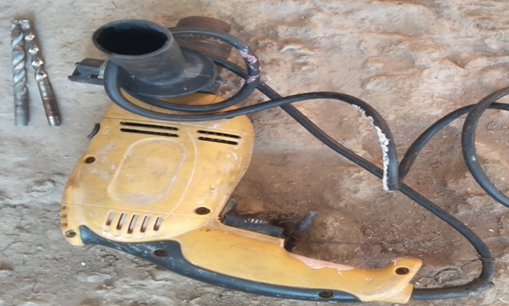
Figure1: Chignole. The production of biogas from manure mixes banana, orange, lemon, potato and tomato We placed the sample (manure mixture of banana, orange, lemon, potato and tomato) in a plastic container (F1)
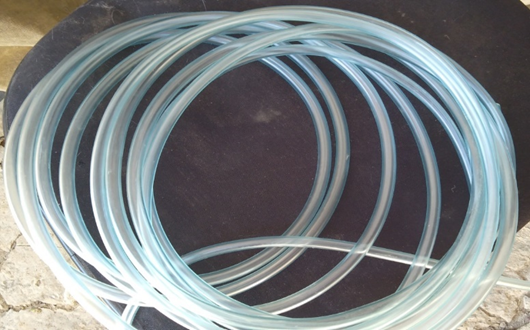
Figure2: plastic pipe.
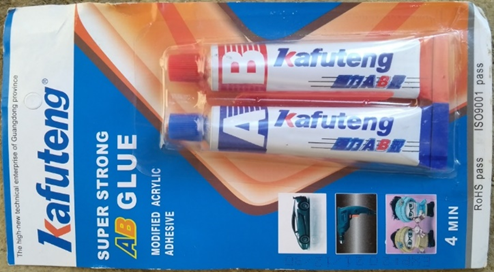
Figure3: The glue.

Figure4: Electronic portable scale.
NB : Taking care not to leak.
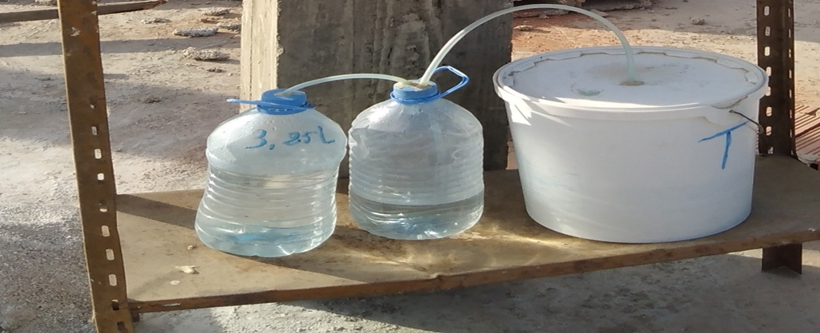
Figure5: The digester used.
Experience: Biogas Production
To begin our design, we chose samples (manure; manure mixed in banana, orange, lemon, potato and tomato; manure mixed in bread, zucchini, carrot, cucumber and strawberry).
The production of biogas from manure: We placed the sample (manure) in a plastic container (T).
Material
- 7Kg of manure in the 1st container (T container).
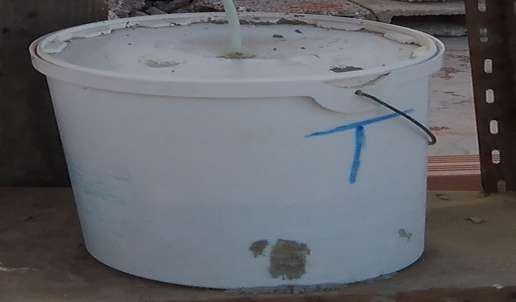
Figure6: The T canister (manure).
The production of biogas from manure mixes banana, orange, lemon, potato and tomato We placed the sample (manure mixture of banana, orange, lemon, potato and tomato) in a plastic container (F1).
Material
7Kg of manure mixed in 4Kg of (banana, orange, lemon, potato and tomato) in the 2nd can (F1 can).

Figure7: Container F1 (manure mixed in banana, orange, lemon, potato and tomato).
The micromycetes present are: Cladosporium, Penicillium italicum, Penicillium digitatum, Rhizopus, Mucor.
The production of biogas from manure mixed in bread, zucchini, carrot, cucumber and strawberry:
We placed the sample (manure mixture in bread, zucchini, carrot, cucumber and strawberry) in a plastic container (F2). Material
7Kg of manure mixed in 4Kg of (bread, zucchini, carrot, cucumber and strawberry) in the 3rd container (container F2). They are saprophytes widely distributed in the environment, causing the degradation of foodstuffs. an environmental pollutant, and was described by the environment of the system situated at rhea.

Figure8: The F2 container (manure mixed in bread, zucchini, carrot, cucumber and strawberry).
The micromycetes present are:
Penicillium, Aspergillus, Cladosporium, Rhizopus, Mucor.
After a few days each mixture gives a volume of biogas by the reaction (anaerobic digestion).
Determination of the volume of biogas
Measurement of the volume of biogas: per cup of graduated glass.

Figure9: The graduated glass cup.
Description of the different genera of the micromycetes used
Penicillium
This genus was described by Link in 1809. It is a mold-like fungus belonging to the phylum Ascomycetes which is mainly filamentous, with the exception of Penicillium marneffei, which is a dimorphic fungus found exclusively in Southeast Asia. The genus Penicillium groups together nearly a hundred species. Their determination mainly involves the characters of the thallus, penicilli and spores. They are saprophytes widely distributed in the environment, causing the degradation of foodstuffs. They are also widely used in industry, especially in the food and pharmaceutical industries. In addition, some species can produce dangerous mycotoxins.
Aspergillus
It is an environmental pollutant, and was described by Micheli ex Link in 1904. Aspergillus are very common contaminants, sometimes pathogenic for humans, animals and plants, and capable of producing toxic metabolites. The genus comprises nearly 180 species, divided into 18 groups defined mainly by the characteristics of the reproductive system.
Cladosporium
This genre is widespread worldwide. It includes more than 30 parasitic species of very common plants or saprophytes. Some species are however implicated in human lesions. Cladosporium carrionii, renamed Cladophialophora carrionii, is the main agent of chromomycosis. Cladosporium bantianum, renamed Cladophialophora bantiana, thermophilic, is a formidable pathogen of the central nervous system (Ben-Messaoud, 2010).
Cladosporium carrionii, renamed Cladophialophora carrionii, is the main agent of chromomycosis. Cladosporium bantianum, renamed Cladophialophora bantiana, thermophilic Rhizopus
A genus of lower fungi of the order mucoral, characterized by the presence of rhizoids which form on the siphoned filament at the base of the sporangiophoric clusters (CNRTL, 2020). The fast-growing thallus Sporosystophores generally very large, ending in a funnel, in clusters of 2 to 6 presenting at the base of rhizoids; Brown, globular or semi globular columellae (Abdelkader, 2012).
A genus of lower fungi of the order mucoral, characterized by the presence Mucor Microscopic fungus, of the class Phy- comycetes, subclass of Zygomycetes, constituting the type of the Mucoraceae or Mucorinea family, which is found on decaying organic matter, excrement, as well as on inorganic bodies moist, and some species of which may be pathogenic (CNRTL, 2020).
Mucor’s fungi are involved as agents of mycosis (Benmess- aoud, 2010).
Microscopic fungus, of the class Phycomycetes, subclass of Zygomycetes, constituting the type of the Mucoraceae or Mucorinea family, which is found on decaying organic matter, excrement, as well as on inorganic bodies moist, and some species of which may be pathogenic (CNRTL, 2020).
Mucor’s fungi are involved as agents of mycosis (Benmess- aoud, 2010).
Results and Discussion
Biogas Production:
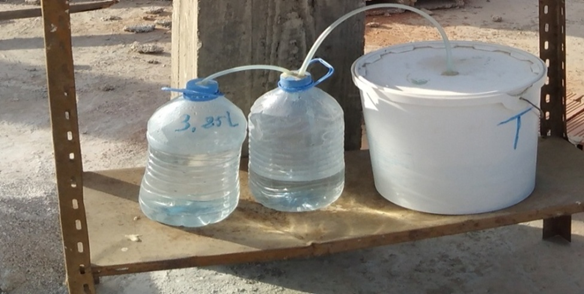
Figure10: The result of the experiment (T).
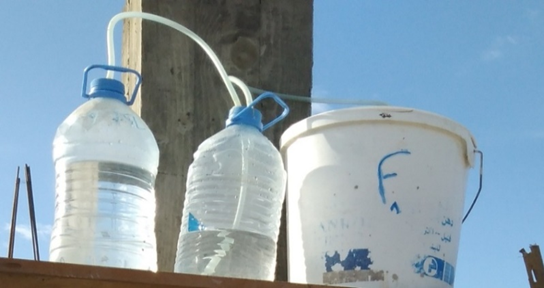
Figure11: The result of the experiment (F1).
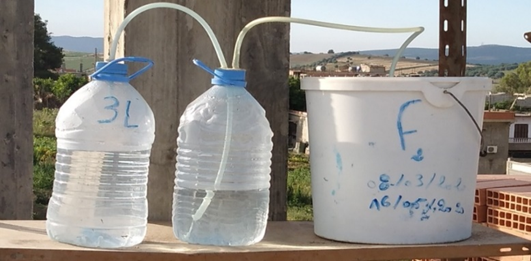
Figure12: The result of the experiment (F2).
| T | ||
| 4/3/2020 | V (m³) | 0 |
| (1day) | T (˚C) | 23 |
| 6/3/2020 | V (m³) | 0,0025 |
| (3 days) | T (˚C) | 23 |
| 9/3/2020 | V (m³) | 0,003 |
| (6 days) | T (˚C) | 15 |
| 12/3/2020 | V (m³) | 0,0125 |
| (9 days) | T (˚C) | 25 |
| 14/03/2020 | V (m³) | 0,0175 |
| (11 days) | T (˚C) | 18 |
| 20/03/2020 | V (m³) | 0,022 |
| (17 days) | T (˚C) | 23 |
| 29/03/2020 | V (m³) | 0,025 |
| (26 days) | T (˚C) | 18 |
| 4/4/2020 | V (m³) | 0,03 |
| (32 days) | T (˚C) | 20 |
| 25/04/2020 | V (m³) | 0,0325 |
| (53 days) | T (˚C) | 23 |
| 16/05/2020 | V (m³) | / |
| (74 days) | T (˚C) | 23 |
Table1: Biogas production per (m³) per container T :
We take note of table 05 which shows the production of bio- gas by the container T as a function of the time that the volume of biogas produced increases with time, it was on the first day 0 m³ and on day 53 the volume of biogas produced was 0, 0325 m³ until it stops the increase and the use of fossil fuels such as petroleum and its derivatives, natural gas and coal are forms of energy that are accom- panied by pollution of the planet such as greenhouse gas emissions (GHG), the main one being gas is carbon dioxide resulting in global warming, the recasting of the ice, the rise of the oceans One of the solutions sought is the use of renewable energies such as solar energy where Algeria has a significant deposit, the wind power, geothermal energy, hydropower and biomass energy. We are interested in this work in the recovery of waste by biomass energy called green energy. It is a clean source of energy with no detrimental effect on the natural environment. Biomass is the biodegradable fraction of the products composing organic matter, i.e., waste and residues from agriculture, plant and animal substances, forestry and related industries as well as the biodegradable fraction of industrial and household waste. Biomass can be used as a fuel or as a biomaterial or biodegradable materials such as polymers. Wood is the source of widely used day 74.
This increase is due to:
- Relative increase in temperature.
- Provides the appropriate conditions for anaerobic digestion.
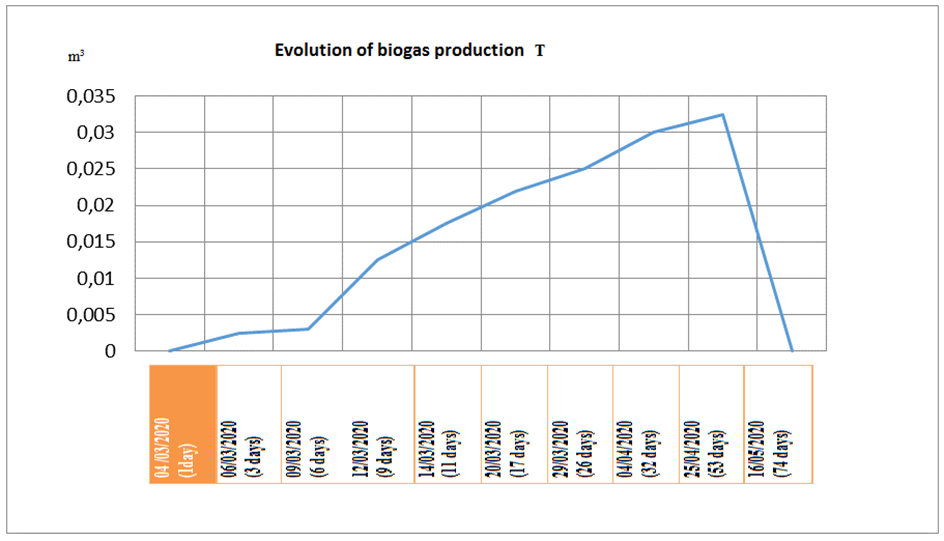
Figure13: Evolution of biogas production T.
| F1 | ||
| 4/3/2020 | V (m³) | 0 |
| (1day) | T (˚C) | 23 |
| 6/3/2020 | V (m³) | 0,002 |
| (3 days) | T (˚C) | 23 |
| 9/3/2020 | V (m³) | 0,005 |
| (6 days) | T (˚C) | 15 |
| 12/3/2020 | V (m³) | 0,005 |
| (9 days) | T (˚C) | 25 |
| 14/03/2020 | V (m³) | 0,01 |
| (11 days) | T (˚C) | 18 |
| 20/03/2020 | V (m³) | 0,015 |
| (17 days) | T (˚C) | 23 |
| 29/03/2020 | V (m³) | 0,0175 |
| (26 days) | T (˚C) | 18 |
| 4/4/2020 | V (m³) | 0,0225 |
| (32 days) | T (˚C) | 20 |
| 25/04/2020 | V (m³) | 0,0275 |
| (53 days) | T (˚C) | 23 |
| 16/05/2020 | V (m³) | 0,03 |
| (74 days) | T (˚C) | 23 |
Table2: The production of biogas per (m³) per container F1.
We take note of table 06 which shows the production of bio- gas by container F1 as a function of the time that the volume of biogas produced increases with time, it was on the first day 0 m³ and on day 74 the volume of biogas produced was 0, 03 m³
This increase is due to:
- Relative increase in temperature.
- Provides the appropriate conditions for anaerobic digestion.
- Micromycetes found Inside the container play a major role in speeding up anaerobic digestion.
We take note of table 06 which shows the production of bio- gas by container F1 as a function of the time that the volume of biogas produced increases with time, it was on the first day 0 m³ and on day 74 the volume of biogas produced was 0, 03 m³
This increase is due to:
- Relative increase in temperature.
- Provides the appropriate conditions for anaerobic digestion.
- Micromycetes found Inside the container play a major role in speeding up anaerobic digestion.
We take note of table 06 which shows the production of bio- gas by container F1 as a function of the time that the volume of biogas produced increases with time, it was on the first day 0 m³ and on day 74 the volume of biogas produced was 0, 03 m³
This increase is due to:
- Relative increase in temperature.
- Provides the appropriate conditions for anaerobic digestion.
- Micromycetes found Inside the container play a major role in speeding up anaerobic digestion
wind power, geothermal energy, hydropower and biomass energy. We are interested in this work in the recovery of waste by biomass energy called green energy. It is a clean source of energy with no detrimental effect on the natural environment. Biomass is the biodegradable fraction of the products composing organic matter, i.e., waste and residues from agriculture, plant and animal substances, forestry and We take note of table 06 which shows the production of bio- gas by container F1 as a function of the time that the volume of biogas produced increases with time, it was on the first day 0 m³ and on day 74 the volume of
We take note of table 07 which shows the production of bio- gas by the container F2 as a function of the time that the volume of biogas produced increases with time, it was on the first day 0 m³ and on day 53 the volume of biogas produced was 0, 03 m³ until it stops the increase and day 74.
This increase is due to:
- Relative increase in temperature.
- Provides the appropriate conditions for anaerobic digestion.
- Micromycetes found inside the can, especially the genus Aspergillus, play a major role in speeding up anaerobic di- gestion
Note:
T: manure.
F1: manure + (banana, orange, lemon, potato and tomato) F2: manure + (bread, zucchini, ginger, strawberry and car- rot).
We noticed from tables 05, 06 and 07 and figures 16, 17 and 18:
- T: the most productive mixture of biogas and also fast (53 days).
- F1: the least productive mixture of biogas and also the slowest (74 days).
So:
- T (manure) and F2 (manure + bread + zucchini + ginger + strawberry + carrot) degraded faster than F1 manure + (ba- nana, orange, lemon, potato and tomato).
- Micromycetes give a good yield of biogas.
- The genus Aspergillus accelerates the degradation of or- ganic matter.
In general, the three mixtures suitable for the production of biogas.
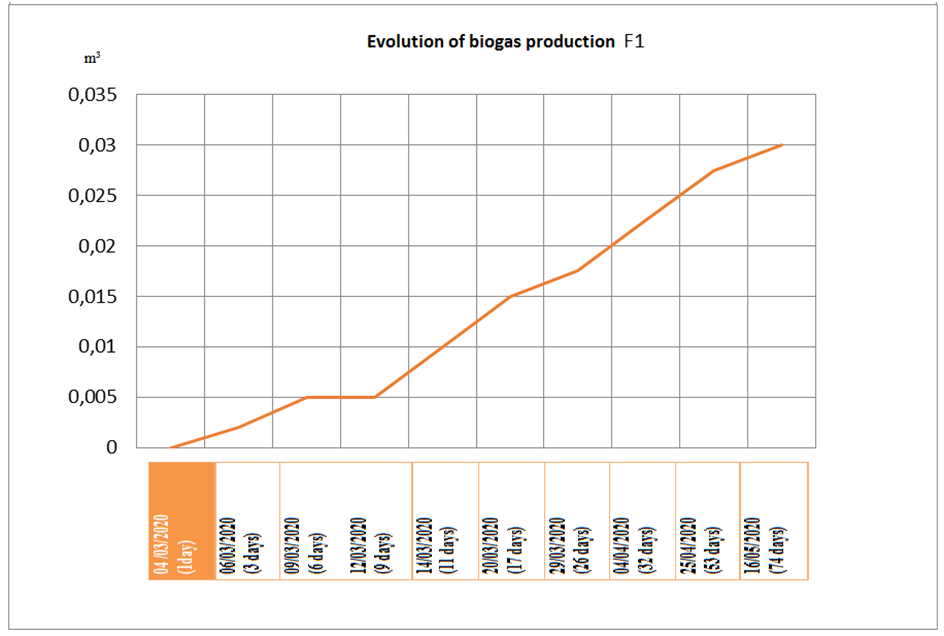
Figure14: Evolution of biogas production by container F1.
| F2 | ||
| 4/3/2020 | V (m³) | 0 |
| (1day) | T (˚C) | 23 |
| 6/3/2020 | V (m³) | 0,0025 |
| (3 days) | T (˚C) | 23 |
| 9/3/2020 | V (m³) | 0,003 |
| (6 days) | T (˚C) | 15 |
| 12/3/2020 | V (m³) | 0,008 |
| (9 days) | T (˚C) | 25 |
| 14/03/2020 | V (m³) | 0,013 |
| (11 days) | T (˚C) | 18 |
| 20/03/2020 | V (m³) | 0,0175 |
| (17 days) | T (˚C) | 23 |
| 29/03/2020 | V (m³) | 0,02 |
| (26 days) | T (˚C) | 18 |
| 4/4/2020 | V (m³) | 0,0275 |
| (32 days) | T (˚C) | 20 |
| 25/04/2020 | V (m³) | 0,03 |
| (53 days) | T (˚C) | 23 |
| 16/05/2020 | V (m³) | / |
| (74 days) | T (˚C) | 23 |
Table3: Biogas production per (m³) per container F2.
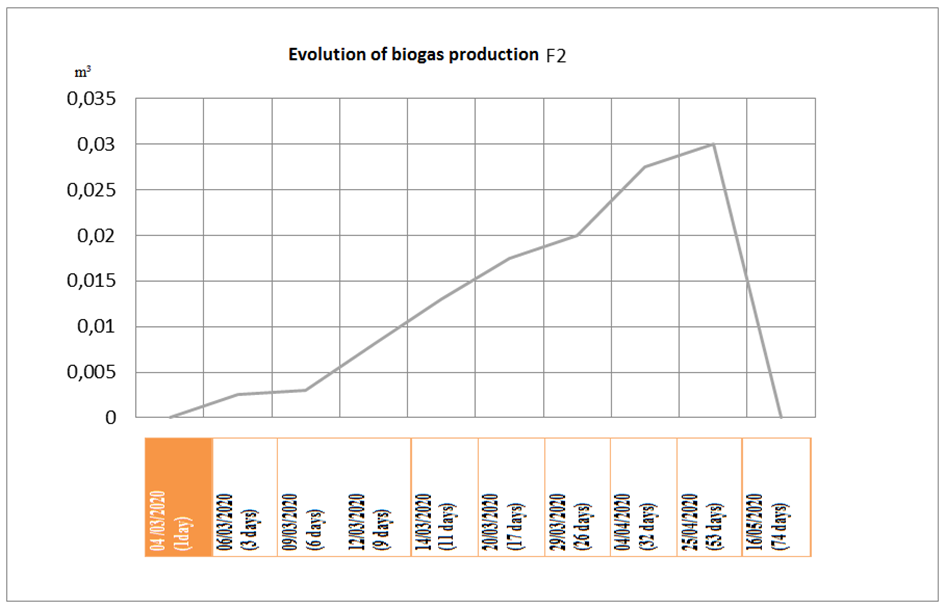
Figure15: Evolution of biogas production by the F2 container.
Conclusion
What we learned from this work was on the one hand and from our bibliographical research an understanding of the phenomenon of anaerobic digestion, this area which is part of the application of renewable energies par excellence. On the other hand, we carried out this study also for the experimental verification of this.
From the results presented above, we find that micromycetes give a good yield of biogas and the genus Aspergillus accelerates the degradation of organic matter.
We suggest, in perspective, to propose other studies taking into account the purification of the biogas obtained and also an improvement in the quality of the substrate by preparing mixtures made up of different urban and industrial discharges (wastewater, household waste, etc.). This prospect was actually our intention and due to lack of time and material, we stuck with what was achievable.
References
- Abdelkader F., 2012. Comparative study of soil infection by some pathogenic fungi under direct seeding and conventional working conditions ; thesis in view of obtaining the diploma of magister in plant production and conservation agriculture. Uni- versity of Oran (Alegria) : 96 p.
- Benmessaoud, 2010. Fungal biodiversity of the sand of four beaches (Beau séjour, Eden, The Andalouses and Madagh) on the western Algerian coast. Thesis submitted for obtaining the degree of magister in environmental sciences ; option : marine biology and pollution ; University of Oran (Alegria) : 134 p.
- Boustil M., 2019. Design of a composting-bio-methanization system based on forestry waste ; End of study thesis With a view to obtaining the Master’s Degree in Agricultural Sciences. Specialty : Agro-Ecological production systems; University Au- gust 20, 1955-Skikda(Alegria) : 47 p.
- CNRTL, 2020. Consulté le 03/03/2020.
- Khoudja A., 2014. Study on energy recovery by biomass con- version of urban waste sludge - case of the ONA - Tlemcen treatment plant ; thesis for obtaining the master’s degree in mechanical engineering. Abou Bekr Belkaid University –Tlem- cen (Alegria) 84 p.