Archive : Article / Volume 2, Issue 2
- Research Article | DOI:
- https://doi.org/10.58489/2836-2187/015
Toxicity of Diphenyltin Chloride on viable count of aerobic bacteria from River Benue
1Department of Microbiology, Joseph Sarwuan Tarka University, Makurdi-970101, Nigeria
2Department of Chemistry, Joseph Sarwuan Tarka University, Makurdi-970101, Nigeria
Ichor T, Department of Microbiology, Joseph Sarwuan Tarka University, Makurdi-970101, Nigeria
Ichor T, Ate M.L, Ebah E.E and Amua Q, Toxicity of Diphenyltin Chloride on the viable count of aerobic bacteria from River Benue. J. Microb. Res. Vol 2, Iss 2. (2023). DOI: 10.58489/2836-2187/015
© 2023 Ichor T, this is an open-access article distributed under the Creative Commons Attribution License, which permits unrestricted use, distribution, and reproduction in any medium, provided the original work is properly cited.
- Received Date: 05-07-2023
- Accepted Date: 04-08-2023
- Published Date: 21-08-2023
Diphenyltin Chloride, Organotin, Di-alkyl Organotins, Tri-alkyl organotins, Biodegradation
Abstract
Aims
This research was carried out to determine the toxicity of diphenyltin chloride on viable count of freshwater aerobic bacteria.
Methods and Results
Water samples obtained from a depth of 15 cm at five sampling points along river Benue were spiked with 3 mM of DPTCl to have a duplicate set up of three (3) treatments. Organotin degradation was determined by measuring the decrease in concentration of DPTCl using an X-ray fluorescence spectrophotometer on day 0, 14, 28, 42 and 56 and viable count of bacteria was also determined using spread plate technique on MSA. DPTCl concentration was further varied (5 mM, 7 mM and 10 mM) to test levels of toxicity to viable count of bacteria as well as bacterial resistance. pacBio sequencing technique was used to determine the metagenomics of bacteria species capable of DPTCl degradation from the water samples. Percentage of chemical degraded (40.29%) during the initial two weeks of experiment when bacterial population was high, was more than the percentage degraded (11.49%) during the last two weeks of the experiment when biocidal effect of DPTCl had drastically reduced bacterial population. Of the initial bacterial viable count of 47.2 x 10² that survived the 56 days degradation exercise, only 1.8x101 (0.38%) grew on 7 mM concentration of DPTCl, and none on 10 mM DPTCl. Impact of DPTCl on viable count of bacteria was statistically significant. Stenotrophomonas spp (29.6%) was the dominant bacterium in DPT degradation, others include; Comamonas spp (9.31%), Microbacterium spp (8.41%) Pseudomonas viridiflava (4.18%), and Stenotrophomonas geniculata (3.46%). Organotins.
Conclusion
Diphenyltin though a di-alkyl organotin, is equally a toxic and persistent pollutant that cannot be easily degraded without the use of nutrient amendment. The toxic effect of DPT as demonstrated in this study shows that TPT and other tri-alkyl organotin should not be considered detoxified especially against microorganisms simply because they have been de-alkylated.
Significance and impact of Study
Sites contaminated by organotins should not be considered remediated until all di and mono alkyl derivatives are completely degraded. Since our natural environments usually have no sufficient nutrient amendments for elimination of pollutants, there is need to engage abiotic processes that can assist the activities of microorganisms in order to speed up remediation process.
Introduction
Di-alkyl organotin compounds are generally used in mixtures in various amounts as heat stabilizers in the manufacture of polyvinyl chlorine (PVC) and chlorinated polyvinyl chloride (CPVC) plastics. Di-alkyltins have also been approved as PVC stabilizers for materials in contact with food and water [1]. Triphenyltins are used in agriculture as fungicides for crop protection against fungi and are directly introduced into aquatic systems via runoff from agricultural fields [2]. In addition, diphenyltins (DPTs) are known to be generated by the degradation of triphenyltin (TPT) through biological, ultraviolet irradiation, chemical or thermal mechanisms [3]. Sewage sludge, municipal and industrial wastewater, and landfill leachates have also been discovered to constitute major sources of environmental organotins [4].
The diverse applications of di-alkyl organotins such as DPT and the eventual de-alkylation of TPT to DPT has made them to be common contaminants of aquatic habitats where they are present in appreciable amounts and have been detected in water, sediments and biota [5]. Once these compounds become ecosystem pollutants, they may persist for long periods and how long they persist depends on the presence, amounts and potency of biotic and abiotic factors and mechanisms needed for their remediation.
Organotin degradation is achieved by both biotic and abiotic factors. While photodecomposition by ultraviolet (UV) light is the most important abiotic degradation process, biological processes are the most important biotic factor effecting degradation of the OTCs In aquatic and terrestrial ecosystems [6]. The degradation of organotins in the environment occurs as a progressive elimination of organic groups from Sn cations. As successive organic groups are removed, toxicity is generally reduced. Tri-alkyl organotins have been therefore considered the most toxic organotin compounds [7]. Recent findings have however shown that although tri-alkyl organotin compounds are generally considered the most toxic, there are instances where mono and di-substituted organotins are as toxic, or more toxic, than their tri-alkyl derivatives to microorganisms and other life forms [8]. Thus agreeing with the earlier findings of Cooney [9] who reported that debutylation in the sequence TBT --* DBT -~ MBT --* Sn for example, does not always detoxify Triorganotins for all microorganisms. The metabolites of TPT’s such as DPT are therefore either more bioavailable or more toxic than the parent compound, or both [8].
Even though tri-alkyl organotins are generally considered to be more toxic, the presence of DPT in some instances has been observed to pose more threat than TPT hence the need to ensure that further degradation steps as well as microorganism capable of further breaking down di and mono alkyl organotins are sought and adequately used to completely cleaning up sites contaminated by organotins. The objectives of this research therefore include:
- To assess the physicochemical and microbiological characteristics of river Benue - a fresh water habitat.
- Monitor growth of bacteria in the presence of DPTCl and screen bacteria for their ability to resist various concentrations or DPTCl
- Identify bacteria capable of degrading DPTCl from river Benue using conventional culture and molecular approaches.
Materials And Methods
During the past few decades, the runoff of river Benue has decreased markedly due to irrigation, flooding has increased contact of the river with household paints, furniture and other materials which are usually painted with organotin formulations. Few boating activities take place in the river and series of irrigation farming also take place on the river banks where pesticides and herbicides containing organotins are used. These are possible sources of contamination of the river.
Chemicals
Chemicals used both for sterilization and directly during the experiment were used without additional purity. DPTCL (96% purity) was obtained from sigma-Aldrich chemical company Germany.
Sampling
Water samples were obtained from the surface (10 – 20 cm) at 5 points along river Benue in Makurdi. Samples were collected using 1 litre capacity plastic bottles sterilized using 90% alcohol and immediately transported to the laboratory for analysis. Standard procedures were employed to prevent contamination of samples. The collected samples were used within a week for physiochemical and bacteriological analysis.
Determination of Physicochemical Parameters of Water
The following Physicochemical parameters of water were analyzed; pH, temperature, conductivity, nitrate, phosphate, Total dissolved solids (TDS), sulphate, total organic carbon (TOC) and potassium were determined using standard methods described by APHA [10].
Biodegradation Setup
The biodegradation set up was done using methods described by Ebah and Ichor [11]. Water samples obtained from the five (5) locations along river Benue were mixed and separately transferred into bowls based on the three treatments to be used. Each treatment was set up in duplicate.
The set up comprised of the following in their ratios:
Treatment A: 3.0 mM DPTCl + 20 g NPK + 1 Litre of water
Treatment B: 3.0 mM DPTCl + 20 g poultry dung + 1 Litre of water
Treatment C: 3.0 mM DPTCl + 1 Litre of water (Control)
The treatments were mixed once weekly to ensure sufficient oxygen supply to microorganisms so as to encourage aerobic activity as suggested by Burton and Turner [12]. Sampling was done on the day 0, 14, 28, 42 and 56 respectively.
DPTCl degradation using the X-ray fluorescence spectrophotometer
Organotin degradation was determined by measuring the decrease in the concentration of DPTCl using an X-ray fluorescence spectrophotometer on day 0, 14, 28, 42 and 56 [11].
Determination of Viable Counts
Viable counts of organotin utilizing bacteria were determined using spread plate method on mineral salt agar (MSA), containing 3 mM TBTCl while the control was plated without TBTCl. Standard methods used here were similar to those described by Ebah et al., [13].
Screening of DPTCl Resistant Bacteria
The bacterial isolates which grew on MSA with 3.0 mM TBTCl were subcultured on MSA containing 5.0 mM DPTCl and further unto 7.0 mM DPTCl and finally 10.0 mM DPTCl. Isolates showing varying range of tolerance to DPTCl that is 5 mM, 7 mM and 10 mM were selected for further characterization.
Identification of TBTCl Resistant Bacterial Isolates
Biochemical Identification
DPTCl utilizing bacterial Isolates were identified and characterized using the following biochemical tests tests; Citrate utilization, Glucose, Lactose, Mannitol, Motility, Urease test, Voges-Proskeur test, Oxidase test, Grams Reaction, Indole test, Sucrose.
Molecular Analysis
Molecular analysis methodology was based on PCR and metagenomics analysis.
DNA Extraction from water Samples
DNA extraction was done using the MoBio Power water DNA isolation Kit following the MoBio extraction, manufacturer’s instructions.
Polymerase Chain Reaction Analysis
The PCR programme was as follows; denaturing step at 95˚C for 3 min, followed by 33 cycles of 30 sec at 95˚C for 30 sec at 55˚C and extension at 72˚C for 1 min, followed by a final extension at 72˚C for 7 min and held at 4˚C. Amplified DNA was presented for sequencing.
DNA Sequencing
pacBio sequencing technique was used to determine the nucleotide sequence of all microorganisms present in the water sample. Sequencing of samples was based on the sequel system by pacBio (www.pab.com). Raw threads were processed through the SMRTlink (V9.0) Circular Consensus Sequences (CCS) algorithm to produce highly accurate reads (>Qv40). These highly accurate reads were processed through vsearc (http://github.com/torognes/vsearch) and taxonomic information was determined based on QIMME2.
Phylogenetics
Qualities of the DNA sequence were sequenced, and the sequences were aligned with the help of RDP (Ribosomal database project) database. Alignment was done using the multiple alignment program muscle of MEGA7 and the closest similarities were matched by using the segmatch program of RDP. After alignment with RDP database, the closely related sequences were retrieved, a distance matrix was generated and a phylogenetic tree was constructed by the neighbor joining algorithm. The stability of the phylogenetic tree was tasted with sets of 100 resamplings using bootstrap program (MEGA 7).
Results
Slight differences were observed in the physicochemical properties of water across the five (5) sampling locations. Electrical conductivity and TDS values varied significantly across the sampling points with highest values of 631 µS/cm and 148 mg/L respectively recorded at the Wurukum sampling station. Mean EC and TDS values were 391±98.17 µS/cm and 97.8 ± 21.0 mg/L respectively.
Nitrates and phosphates also varied relatively across the locations with mean values of 8.52 ± 2.72 mg/L and 0.68±0.22 mg/L respectively. The two parameters had highest values at the Wurukum sampling point. Other details of various physicochemical analysis can be seen in table 1.
In monitoring the degradation of DPTCl using the x-ray fluorescence spectrophotometer on day 0, 14, 28, 42 and 56, it was observed that concentration of test organotin reduced gradually while bacteria population initially increased and then began to drop after 4weeks. In treatment A, test organotin was reduced by 92.73 % from 350 mg/L on day 0 to 25.5mg/L on day 56. Percentage reduction in test organotin was highest during the initial 14 days (40.29%) after which rate of degradation dropped to a level that only 11.49% was degraded during the final 7days of degradation.
Treatment B which was amended with poultry dung, recorded a similar situation as microbial activity reduced concentration of chemical by 88.37% from 350mg/L on day 0 to 40.7mg/L on day 56. Although percentage of chemical degraded seemed higher in treatment A (92.73) as compared to treatment B (88.37), this difference was statistically not significant (p>0.05)
Treatment C which was a control had no nutrient amendment and recorded the least microbial growth as well as organotin degradation.
Microbes were further sub cultured on mineral salt agar incorporated with 5mM, 7mM and 10mM concentration of organotin to test for microbial resistance and ability to utilize organotin. In treatment A, 2.65% of the microbial population was resistant to 5mM concentration of DPTCl while only 0.32% was resistant to 7mm concentration of the test chemical. In treatment B, 3.62% and 0.38% of bacteria were resistant to 5mM and 7mM concentration respectively. Only 0.30 % of bacterial population from the control sample (C) was resistant to 7Mm of test chemical. Viable count of bacteria significantly reduced with increasing concentration. In treatment A for example, of the bacteria population of 47.1x10² cfu/ml. only 1.5x101still grew on MSA+7mM and none grew on MSA+10mM DPTCl in all the treatments.
87.07% of DPTCl degraders belong to the phylum Proteobacteria. The class Gammaproteobacteria was the most culpable in DPTCl degradation and was followed by betaproteobacteria
Stenotrophomonas spp (29.6%) was the dominant bacterium in DPT degradation, others include; Comamonas spp (9.31%), Microbacterium spp (8.41%) Pseudomonas viridiflava (4.18%), and Stenotrophomonas geniculata (3.46%). Other bacteria species were not identified as they had no close resemblance in NCBI database.
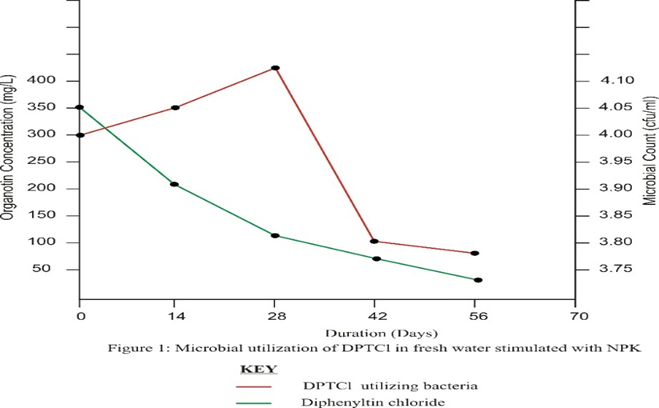
Figure1: Microbial utilization of DPCTI in fresh water stimulated with NPK
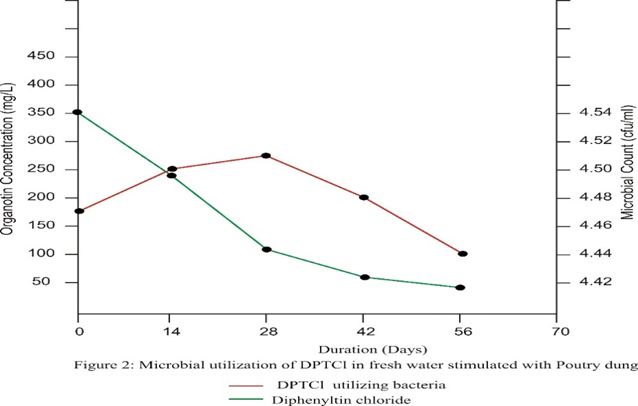
Figure2: Microbial utilization of DPCTI in fresh water stimulated with Poutry dung
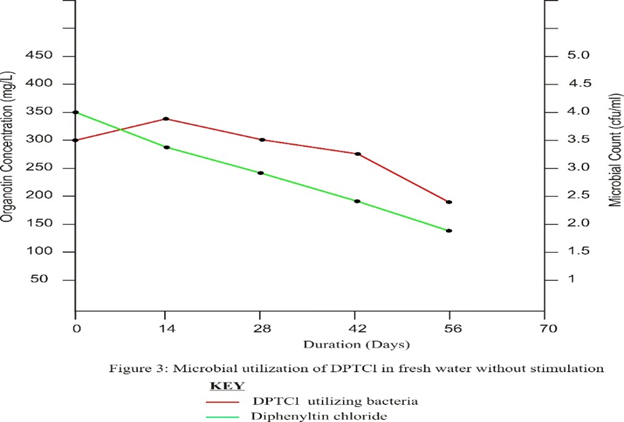
Figure3: Microbial utilization of DPCTI in fresh water without Stimulation
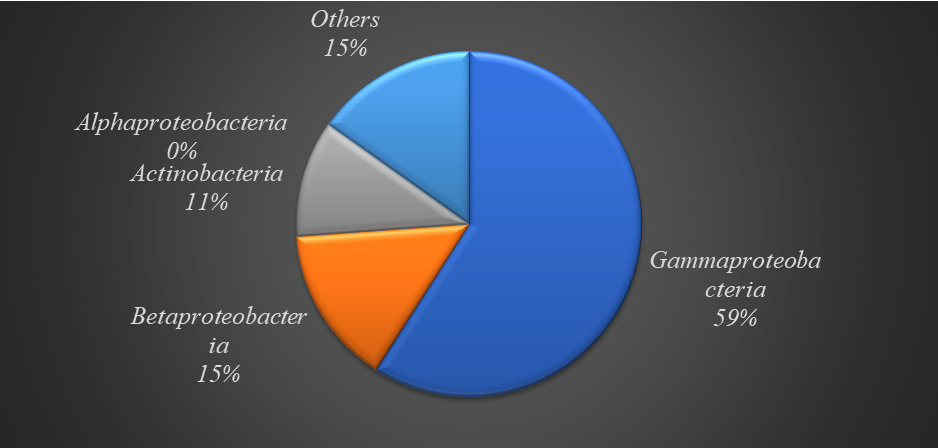
Figure4: Top class classification of DPTCl degraders
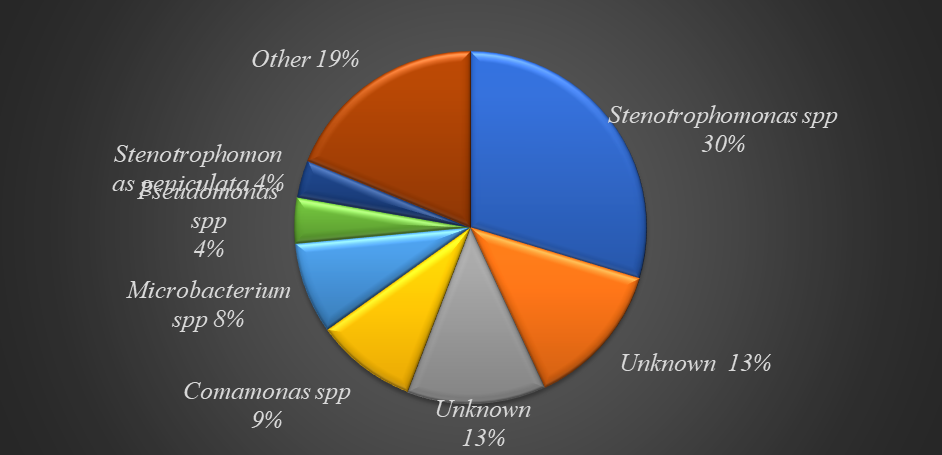
Figure5: Top Specie classification of DPTCl degraders
| Parameter | Location | Mean | ||||
|
Wadata |
Wurukum |
BSU |
Breweries |
Checkpoint |
||
| pH | 7.39 | 7.82 | 7.54 | 7.48 | 6.89 | 7.48 ± 0.23 |
| Temperature | 27.50 | 26.80 | 27.2 | 26.0 | 28.9 | 27.3 ± 0.76 |
| EC | 305 | 631 | 326 | 380 | 314 | 391 ± 98.17 |
| TDS | 82 | 148 | 74 | 98 | 87 | 97.8 ± 21.0 |
| Nitrates | 8.7 | 14.9 | 5.8 | 7.7 | 5.5 | 8.52 ± 2.72 |
| Phosphates | 0.45 | 1.20 | 0.68 | 0.56 | 0.49 | 0.68 ± 0.22 |
| DO | 5.20 | 4.90 | 4.70 | 4.55 | 5.08 | 4.89 ± 0.19 |
Table1: Physicochemical properties of River Benue
| Treatment | MSA only | MSA + 5 mM | MSA + 7 mM | MSA + 10mM |
| A | 47.1x10² | 12.5x101 | 1.5x101 | Nil |
| B | 47.2x10² | 17.1x101 | 1.8x101 | Nil |
| C | 36.6x10² | 9.9x101 | 1.1x101 | Nil |
MSA: Mineral Salt Agar
Table2: Screening bacteria for organotin utilization
| Concentration | Treatment A | Treatment B | Treatment C |
| 5mM | 2.65 | 3.62 | 3.21 |
| 7mM | 0.32 | 0.38 | 0.30 |
Table3: Percentage (%) Bacteria resistance to DPTCl
Discussion
The physicochemistry of the freshwater ecosystem is one of the major factors that determine the existence and distribution of all aquatic life. This study further revealed that the presence, growth and distribution of the microbial population to a large extent is determined by factors such as pH, Nitrates, Phosphates, Dissolved oxygen, electrical conductivity.
The Wurukum sampling station recorded the highest values of physicochemical parameters. For example, nitrate and phosphate values of 14.9 mg/L and 1.20 mg/L respectively were recorded. This location is characterized by massive irrigation farming, as well as multiple human activities. Waste generated from an abattoir that is sited here is another factor considered to be responsible for the high nitrate and phosphate levels reported here. Mean Nitrate values of all samples obtained from the various locations was 8.52 ± 3.40 and though within the maximum limits specified by WHO (2011) of 50mg/L there is an obvious increase in their concentrations when compared to previous research. This research agrees with the findings of Kondum et al., [15] in the same study area, who reported nitrate levels of between 8.34 ± 0.30 and 14.69 ± 1.35 mg/L. The nitrate values here however vary with the earlier findings of Okenyi et al., [16] who reported very low values of 2.0 and 2.7 mg/L. This shows that in recent years, eutrophication has increased the concentrations of these compounds in our rivers.
Investigated physicochemical parameters indicates that river Benue-a fresh water habitat is slightly polluted and when compared with previous findings, it is observed that over the years, eutrophication has led to an increase in nitrates and phosphates levels while depleting the dissolved oxygen.
The high rate of degradation during the initial fourteen days of experiment could be as a result of interplay of both biotic and abiotic factors. The high initial bacteria population combined with effect from sunlight increased the uptake and degradation of DPTCl. The impact of this collaboration was however short-lived as some bacteria could not stand the biocidal effect of the test chemical. This subsequently reduced rate at which the chemical was degraded during the later stages of the experiment.
There is evidence to show that microorganisms can slowly degrade TPT into inorganic tin via di- and monophenyltins. Microbial interactions with tin are important because microbes are at the base of the food web and because they have the potential for bioremediation [17,18,7].The findings here also prove this as percentage of chemical degraded (40.29%) during the initial two weeks of experiment when bacterial population was high, is more than the percentage degraded (11.49%) during the later stages of the experiment when biocidal effect of the chemical had drastically reduced bacterial population.
92.73 % of DPTCl was degraded by bacteria leaving behind only 7.27 % of test chemical after 56 days of degradation. Reduction of TBTCl (a tri alkyl organotin) to as low as 0.98% after 56 days of degradation has been previously reported [11]. Indicating a higher degradation rate. Although TBTCl is thought to be more persistent in the environment and more toxic to bacteria than DPTCl [7], bacterial specie responsible for degradation in this experiment may be less potent in organotin degradation compared to those involved in Ebah et al., [11]. Other findings have however shown that there are instances where mono and di-substituted organotins are as toxic, or more toxic, than their trialkyl derivatives to microorganisms [8]. Laboratory as well as full onsite comparative studies will better explain the difference. Orgonotin resistance and degradation by bacteria has been explained to be both chromosomal and plasmid mediated and research has shown that such abilities can be transferred to other bacteria by conjugation [19].
The decrease in bacterial count as organotin concentration increased (from 47.1x10² on MSA only to zero on MSA+10mM shows the toxicity of organotin compounds to bacteria. Viable count of up to 3.8x101 CFU/ml on 10 mM concentration of organotin have been reported [13]. Gene expression profile has shown that organotins can cause toxicity to bacteria through modulation of enzymes in biochemical reactions as observed in its disturbance of transcriptional regulators, activators, or inhibitors, especially for processes involving DNA [20].
Singh [21] had earlier reported the range of microbial resistance of only 0.007 mM concentration for different organotin compounds. This research reported growth on 7mM concentration while Ebah et al., [13] reported growth on 10mM. This indicates a gradual increase in microbial resistance to organotin compounds over the years.
Diphenyltin though a di-alkyl organotin, is equally a toxic and persistent pollutant that cannot be easily degraded without the use of nutrient amendment. Microorganisms in the control (un-mended) sample could only degrade about 50 percent of the test sample after 56days of degradation. Considering that our natural environments are usually not supplemented with these amendments, it is very likely that diphenyltins may persist even much longer. In addition, only 0.30 - 0.38% of bacteria could withstand 7mM of DPTCl. This toxic effect of DPT show that TPT should not be thought to be detoxified especially against microorganisms simply because it has been de-alkylated. It is therefore very likely that in some instances the toxicity of DPT may be more than TPT. Sites contaminated by organotins should not be considered remediated until all di and mono alkyl derivatives are completely degraded. Since our natural environments usually have no nutrient amendments there is need to engage abiotic processes that can assist the activities of microorganisms in order to speed up remediation process.
87.07% of DPTCl degraders belong to the phylum Proteobacteria. The class Gammaproteobacteria was the most culpable in DPTCl degradation.
The genus Stenotrophomonas is emerging as a potent tool in organotin degradation especially the phenyl organotins. Biosorption and intracellular degradation of triphenyltin by Stenotrophomonas maltophilia to produce diphenyltin and monophenyltin has been previously experimented and findings reported [22]. Stenotrophomonas geniculata however seem to be incriminated with orgonotin degradation for the first time.
Many members of the genus Pseudomonas are known for degradation of highly toxic and persistent pollutants. Pseudomonas viridiflava has however, been previously known to degrade only less persistent agrochemicals such as fenvalerate [23], it’s incrimination with DPT degradation in this research means it is also a Pseudomonad that holds promise for degradation of more toxic and persistent pollutants.
Members of the genus Comamonas and Microbacterium have also been previously reported for degradation of toxic and persistent aromatic hydrocarbons as well as organotin compounds [24].
References
- European Food Safety Authority (EFSA) (2004). Scientific panel on contaminants in the food chain, opinion on the health risks assessment to consumers associated with the exposure to organotins in foodstuffs. Question no EFSA-2003 – 110, EFSA Journal 102: 1-119. http://www.efsa.int.
- Fent, Karl. “Organotin compounds in municipal wastewater and sewage sludge: contamination, fate in treatment process and ecotoxicological consequences.” Science of the Total Environment 185, no. 1-3 (1996): 151-159.
- WHO-IPCS. (1999). World health organization. International programme on chemical safety. Tributyl compounds. Environ Health Criteria 116. http://www.inchem.org/documentsehc/ehc/ ehc/116.htm. Assessed 2017.
- Hoch, Marion. “Organotin compounds in the environment—an overview.” Applied geochemistry 16, no. 7-8 (2001): 719-743.
- Bellas, Juan, Annelie Hilvarsson, and Åke Granmo. “Sublethal effects of a new antifouling candidate on lumpfish (Cyclopterus lumpus L.) and Atlantic cod (Gadus morhua L.) larvae.” Biofouling 21, no. 3-4 (2005): 207-216.
- de Carvalho Oliveira, Regina, and Ricardo Erthal Santelli. “Occurrence and chemical speciation analysis of organotin compounds in the environment: a review.” Talanta 82, no. 1 (2010): 9-24.
- Okoro, Hussein K., Olalekan S. Fatoki, Folahan A. Adekola, Bhekumusa J. Ximba, and Reinette G. Snyman. “Sources, environmental levels and toxicity of organotin in marine environment-a review.” Asian Journal of Chemistry 23, no. 2 (2011): 473.
- Paton, Graeme Iain, W. Cheewasedtham, I. L. Marr, and Julian James Charles Dawson. “Degradation and toxicity of phenyltin compounds in soil.” Environmental Pollution 144, no. 3 (2006): 746-751.
- Cooney, J. J. “Organotin compounds and aquatic bacteria: a review.” Helgoländer Meeresuntersuchungen 49 (1995): 663-677.
- APHA (1998). Standard Method for the Examination of Water and Waste Water. 20th ed. APHA- AWWA- WPCF. Washington, DC.
- Ebah, E. E., and T. Ichor. “Aerobic Degradation of Tributyltin Chloride and Dip-Henyltin Chloride by Marine Bacteria from Onne Port Nigeria.” J Environ Anal Toxicol 8, no. 582 (2018): 2161-0525.
- Burton, Colin H., and Claire Turner. Manure management: Treatment strategies for sustainable agriculture. Editions Quae, 2003.
- Ebah, Esther, Tersagh Ichor, and Gideon C. Okpokwasili. “Isolation and biological characterization of tributyltin degrading bacterial from onne port sediment.” Open Journal of Marine Science 6, no. 2 (2016): 193-199.
- World Health Organization (WHO) Guidelines for drinking water quality, 3rd ed. incorporating the first and second addenda. Recommendation, Geneva 2011:1.
- Kondum, F. A., R. T. Iwar, and E. T. Kon. “A comparison of water quality indexes for an inland river.” Journal of Engineering Research and Reports 20, no. 4 (2021): 1-14.
- Okenyi, B. E., C. Ngozi Olehi, and C. O. Ibe. “Physico-chemical index of River Benue and its implications.” IOSR Journal of Applied Chemistry 9, no. 4 (2016): 53-55.
- Inoue, Hiroyuki, Osamu Takimura, Hiroyuki Fuse, Katsuji Murakami, Kazuo Kamimura, and Yukiho Yamaoka. “Degradation of triphenyltin by a fluorescent pseudomonad.” Applied and environmental microbiology 66, no. 8 (2000): 3492-3498.
- Gadd, G. M. “Microbial interactions with tributyltin compounds: detoxification, accumulation, and environmental fate.” Science of the total environment 258, no. 1-2 (2000): 119-127.
- White, Jane S., John M. Tobin, and Joseph J. Cooney. “Organotin compounds and their interactions with microoganisms.” Canadian journal of microbiology 45, no. 7 (1999): 541-554.
- Su, Guanyong, Xiaowei Zhang, Jason C. Raine, Liqun Xing, Eric Higley, Markus Hecker, John P. Giesy, and Hongxia Yu. “Mechanisms of toxicity of triphenyltin chloride (TPTC) determined by a live cell reporter array.” Environmental Science and Pollution Research 20 (2013): 803-811.
- Singh K (1987) Frontier in Applied Microbiology. Publication Print House, New Delhi, India 11: 297-316.
- Gao, Jiong, Jinshao Ye, Jiawen Ma, Litao Tang, and Jie Huang. “Biosorption and biodegradation of triphenyltin by Stenotrophomonas maltophilia and their influence on cellular metabolism.” Journal of hazardous materials 276 (2014): 112-119.
- Thatheyus, A. J., and AD Gnana Selvam. “Synthetic pyrethroids: toxicity and biodegradation.” Appl Ecol Environ Sci 1, no. 3 (2013): 33-36.
- Chen, Ying-Xu, H. E. Liu, and Hua-Lin Chen. “Characterization of phenol biodegradation by Comamonas testosteroni ZD4-1 and Pseudomonas aeruginosa ZD4-3.” Biomedical and environmental sciences: BES 16, no. 2 (2003): 163-172.